
Procrastination is an issue that many of us face at some point in our lives. It is the persistent feeling of knowing something important needs to be done, yet being unable to resist the urge to delay it. This could be a significant task at work, a household chore that has been hanging over our heads for weeks, or a promise made to ourselves to exercise more regularly. Unfortunately, procrastination can affect our productivity, mental health, and even physical health.
So what causes us to procrastinate, and how can we overcome it? According to psychologists, several factors contribute to procrastination. One is a lack of motivation, which can be caused by a lack of interest in the task, a lack of confidence in our ability to complete it, or a lack of perceived value in doing it. If we don’t see the value in a task or don’t believe that we have the skills or knowledge to complete it, we may be less likely to start working on it.
Another factor that can lead to procrastination is a lack of time management skills. We may underestimate how long a task will take, or we may prioritize less important tasks over more important ones. This can lead to a backlog of undone tasks that can be overwhelming and demotivating.
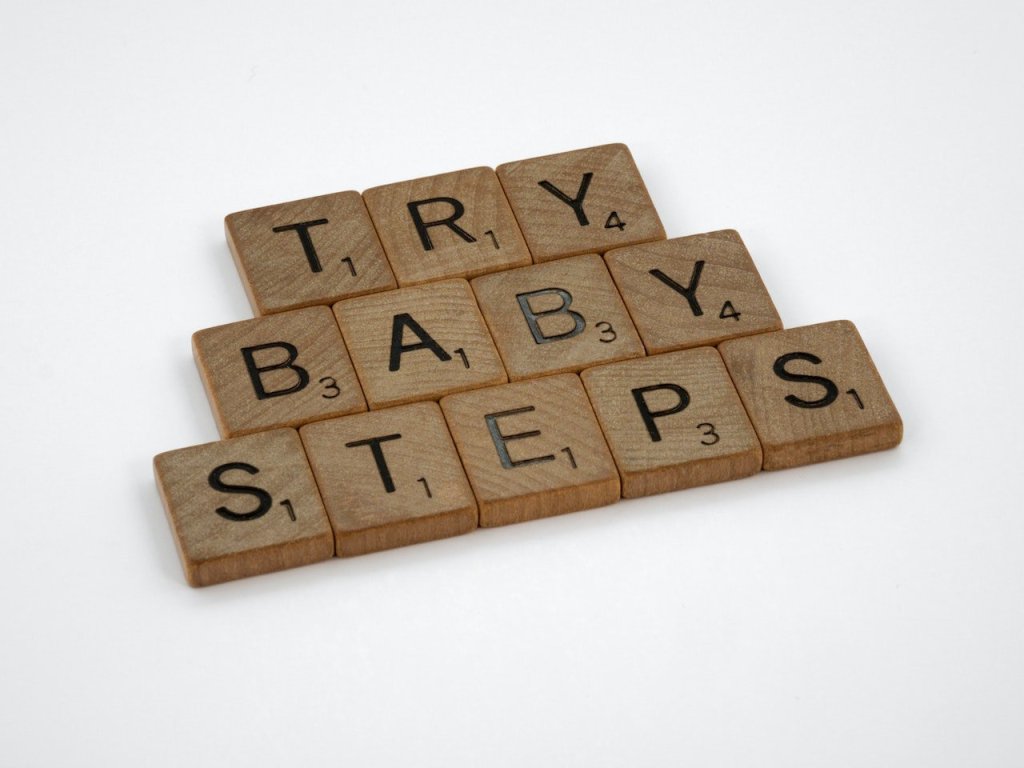
Procrastination can also be triggered by negative emotions such as anxiety, fear, or stress. For example, if we feel overwhelmed by the size or complexity of a task, we might put it off in an attempt to avoid the negative feelings it brings up. Similarly, if we associate a task with past failures or negative experiences, we might procrastinate to avoid the possibility of failure again. In these cases, procrastination becomes a coping mechanism that helps us to avoid negative emotions, even if it ultimately causes more stress and anxiety in the long run.
An effective strategy for overcoming procrastination is to eliminate distractions. This can include turning off notifications on your phone, finding a quiet place to work, or setting aside specific times of day for focused work. It can also be helpful to eliminate any unnecessary tasks or activities from your schedule so that you can focus on the things most important to you.
Positive self-talk to reframe your thoughts about the task at hand. For example, instead of telling yourself, “I have to do this,” try saying, “I get to do this,” or “I am choosing to do this.” This simple shift in perspective can help to increase your motivation and make the task seem more manageable.
It can be helpful to enlist the support of others. This could include working with a coach or mentor, finding an accountability partner, or simply sharing your goals and progress with friends or family. Having someone to encourage and support you can be a powerful motivator and help you stay on track.

Another effective strategy is to eliminate distractions and create a positive work environment. This might involve finding a quiet place to work, turning off notifications on your phone, or setting aside specific times of day for focused work. By minimizing distractions, we can give ourselves the best chance of staying on task and making progress.
It can also be helpful to adopt a “growth mindset,” or believe that our abilities and intelligence can be developed through effort and practice. This can help to increase our motivation and reduce the fear of failure that often leads to procrastination. If we believe we can improve and learn new skills, we may be more likely to take on new challenges and persevere when things get complicated.
In summary, procrastination is a common problem that can seriously affect our productivity and well-being. By understanding the causes of procrastination and adopting strategies to overcome it, we can improve our productivity and achieve our goals more effectively. Whether we’re struggling with a big project at work or a personal goal, taking steps to overcome procrastination can help us to lead more fulfilling and productive lives.
 Oracle Fitness Site
Leave a comment